
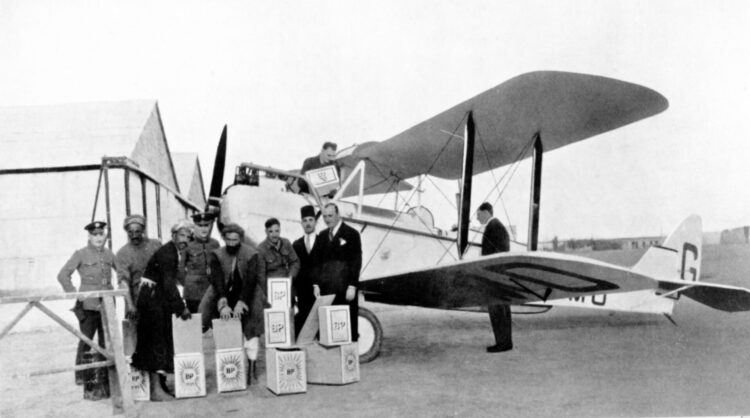
Air bp is proud to celebrate 100 years serving the global aviation industry. Since its creation in 1926, when aircraft were still made of wood and canvas, Air bp has remained central to the industry’s most important milestones.
The scale of change is significant – from 2,582 gallons supplied in its second year of operations to the approximately 6.6 billion gallons used annually today. Air bp is now present at 600 airports across 40 countries.
From pioneering mobile refuelling units to the first commercial test flight using Sustainable Aviation Fuel (SAF)*, Air bp’s history tracks the remarkable trajectory of flight. Today, as aviation faces new challenges, Air bp is using its technical expertise and leveraging its global network to support the shift to a lower-carbon future**.
Federica Berra, CEO of Air bp: “Air bp has helped shape the way the world flies, from pioneering into-plane fuelling in 1926, to supporting the aviation industry through every major transformation since.”
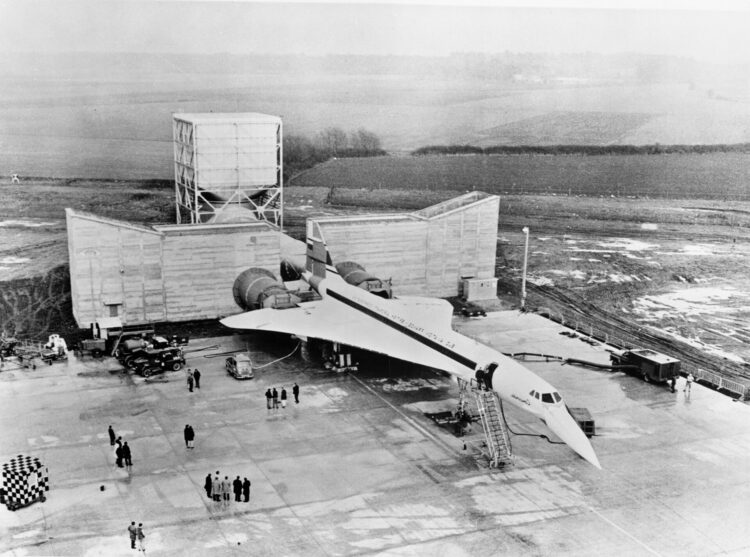
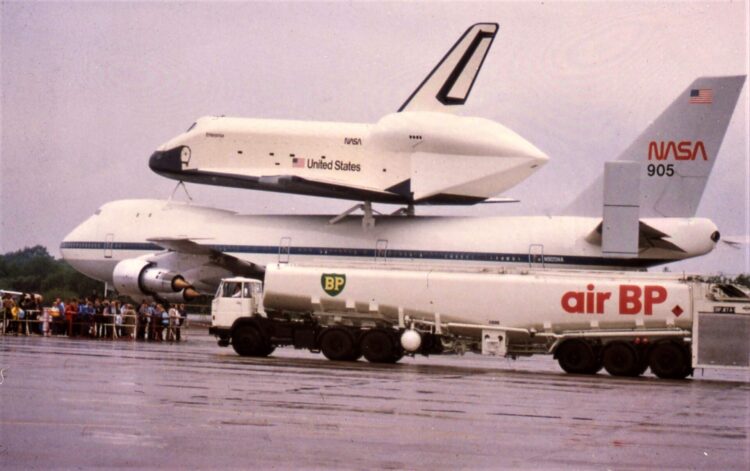
Air bp has contributed to the evolution of refuelling practices through a series of technical and operational advancements, including early mobile refuelling services and support for notable long‑distance flights in the 1930s. Air bp also helped develop industry-wide safety standards that continue to support safe and reliable operations today. More recently, Air bp supplied fuel for the first 100% SAF transatlantic commercial flight.
Berra added: “As we enter our second century, our focus remains the same: delivering the reliability, safety and lower carbon solutions our customers and the industry needs for its next chapter.”
Read more here
https://www.bp.com/en/global/air-bp/fuelling-100-years-of-aviation.html
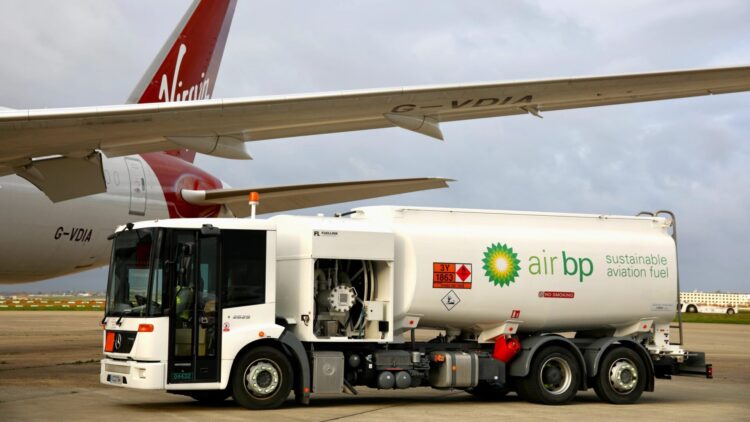
*SAF can typically enable up to 80% lifecycle carbon emission savings compared to the fossil fuel derived jet it replaces, however SAF does not reduce emissions during combustion. Emissions at the aircraft wingtip are essentially the same as those from fossil based jet fuel.
**bp mostly produces, trades and sells oil and gas, alongside transition activities such as EV charging, bioenergy and renewables that are a much smaller but key part of our business